




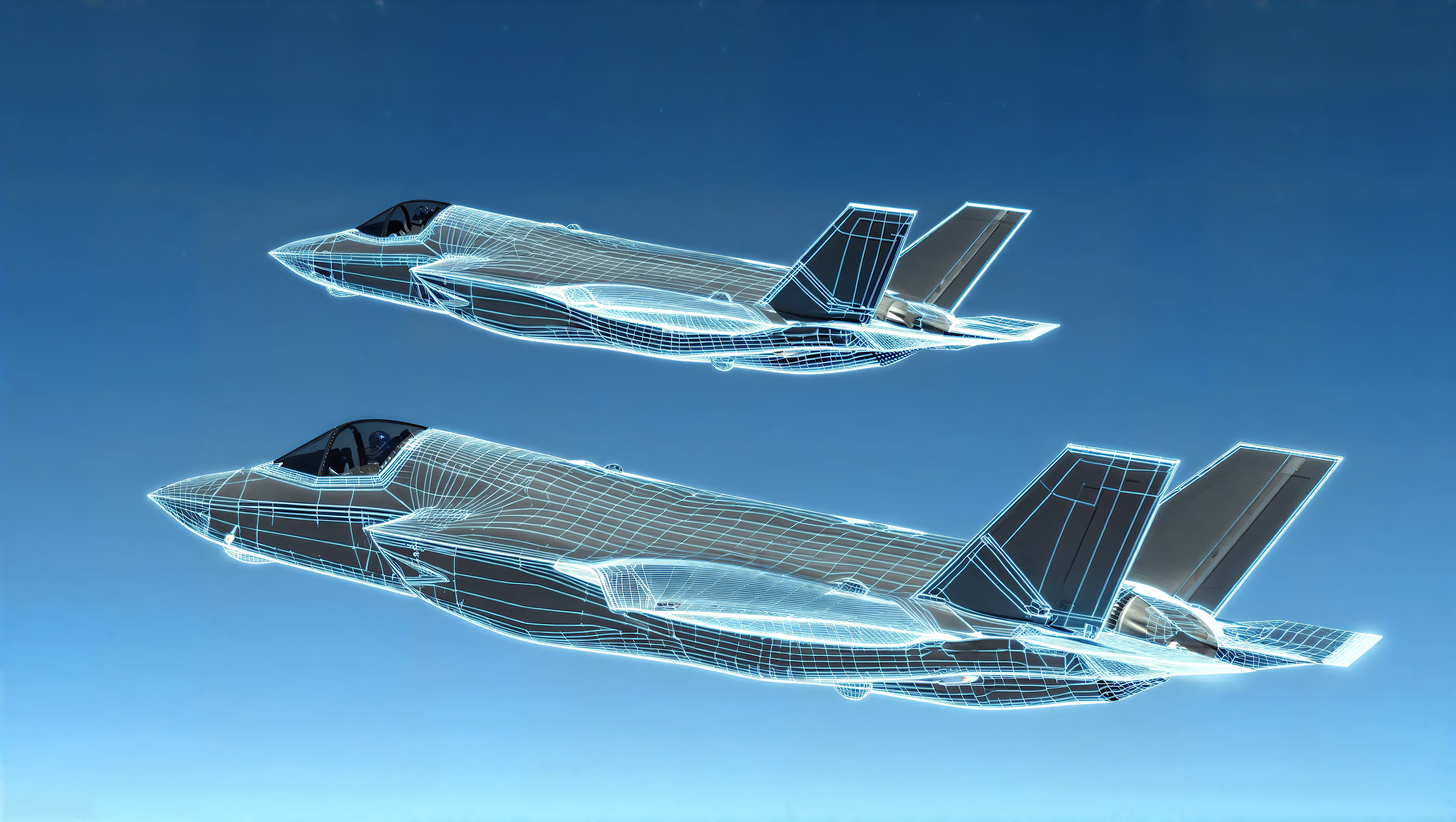
Simulation & Design for Mass
Compressing the design-to-deployment timeline from years to months.
56
Active Projects in Simulation & Design for Mass
The Focus
Building and fielding air vehicles fast enough to meet the evolving character of war requires rethinking how we design and test them. Current processes rely on engineering heuristics from the 1960s – overly precise test points, expensive prototypes, and timelines measured in years.
We're replacing this with physics-based machine learning and simulation-in-the-loop methods. Instead of flying hundreds of test points with tight tolerances, we build models that learn the flight envelope from fewer, higher-quality data points. The result: 10x faster test timelines and the ability to design mission-specific platforms at scale.
Core Objectives
Contact UsPhysics-based machine learning approaches

Embedding first-principles constraints directly into adaptive flight models
Traditional machine learning models treat flight data as a statistical artifact: a pattern to be fit rather than a physical system to be understood. Physics-based machine learning reverses that priority. We embed governing equations, conservation laws, and aerodynamic structure directly into the learning architecture so the model cannot violate reality while it generalizes. This hybrid approach dramatically reduces the amount of empirical data required to build high-fidelity representations of vehicle behavior, allowing models to extrapolate confidently beyond sparse test regions.
The result is a modeling framework that scales with complexity without collapsing under distribution shift. Rather than relying on brittle curve fits between isolated test points, the system builds a continuous, physically consistent understanding of the flight envelope. This enables aggressive acceleration of design cycles: early predictions are usable, intermediate predictions are reliable, and late-stage validation becomes confirmation instead of discovery. Engineering effort shifts from collecting exhaustive datasets to designing smarter experiments that maximize information gain.
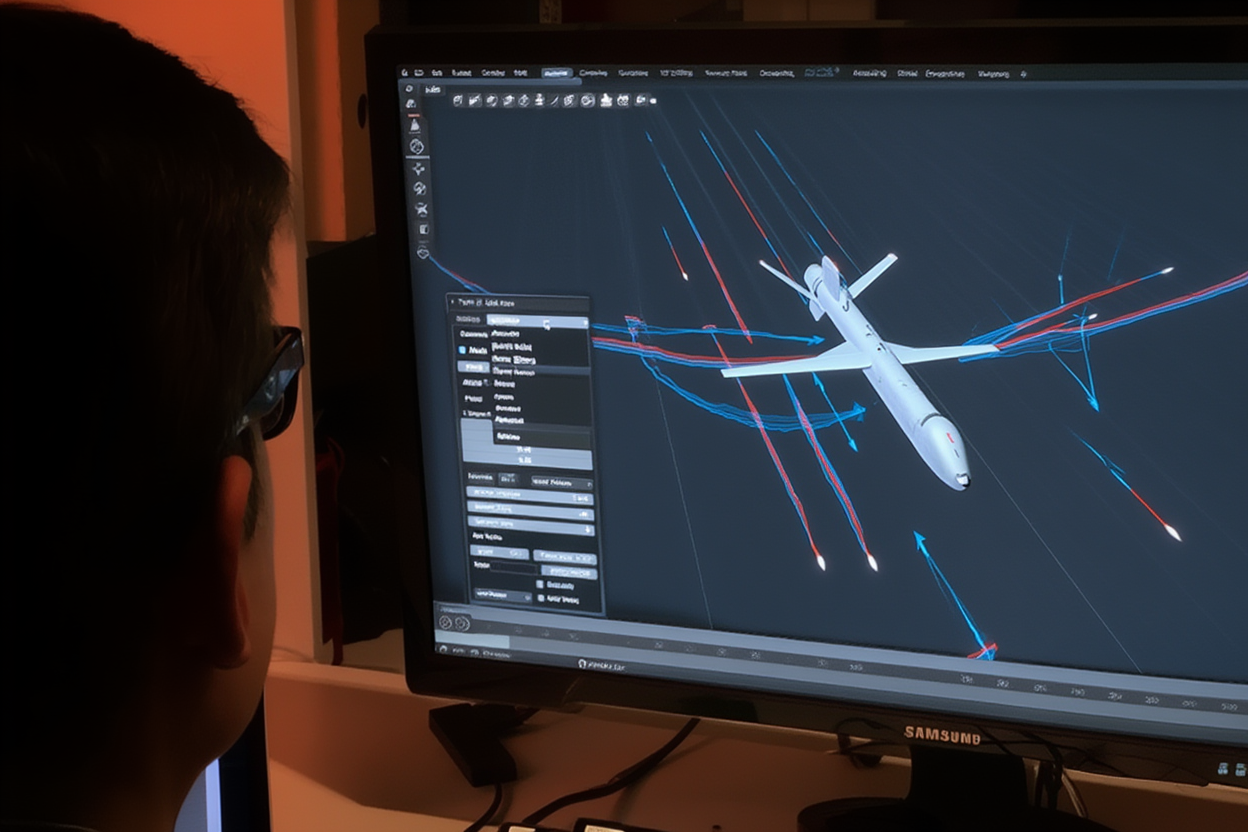
Turning flight test into a closed-loop learning system
Every sortie updates the model, and every model update reshapes the test plan
Conventional test and evaluation pipelines are linear: design, fly, analyze, repeat. Model-based frameworks collapse this sequence into a continuous feedback loop. Flight data streams directly into a living system model that updates in near-real time, immediately informing the next phase of testing. Instead of executing a rigid preplanned matrix, the program evolves dynamically as the model learns, focusing resources where they generate the highest decision value.
This approach reframes testing as an optimization problem rather than a checklist. The goal is no longer to hit predetermined points but to reduce uncertainty across the system as efficiently as possible. By coupling predictive simulation with live test data, we eliminate wasted sorties and tolerance-bound maneuvers that add little informational value. The aircraft becomes part of a learning ecosystem where simulation and reality continuously refine one another, accelerating certification and deployment.
Expanding flight envelopes with quantified confidence

Probabilistic modeling that knows what it does — and doesn’t — know.
Envelope expansion is fundamentally a problem of uncertainty. Every new maneuver or regime carries risk because traditional methods cannot rigorously express confidence between measured points. Epistemically-aware models provide a mathematically grounded way to represent both predictions and uncertainty simultaneously. Instead of asking whether a configuration “works,” we compute the probability distribution of system behavior across the envelope, enabling expansion strategies driven by measurable risk tolerance rather than intuition.
This probabilistic framework allows test programs to prioritize information-rich regions instead of blindly filling grids. The model actively guides where the next experiment should occur, maximizing safety while minimizing redundant sorties. As confidence accumulates, the envelope expands faster and with fewer physical trials. The test program is no longer exploring blindly; it is executing a statistically optimized path through its performance space, dramatically compressing the validation timeline without compromising operational assurance.
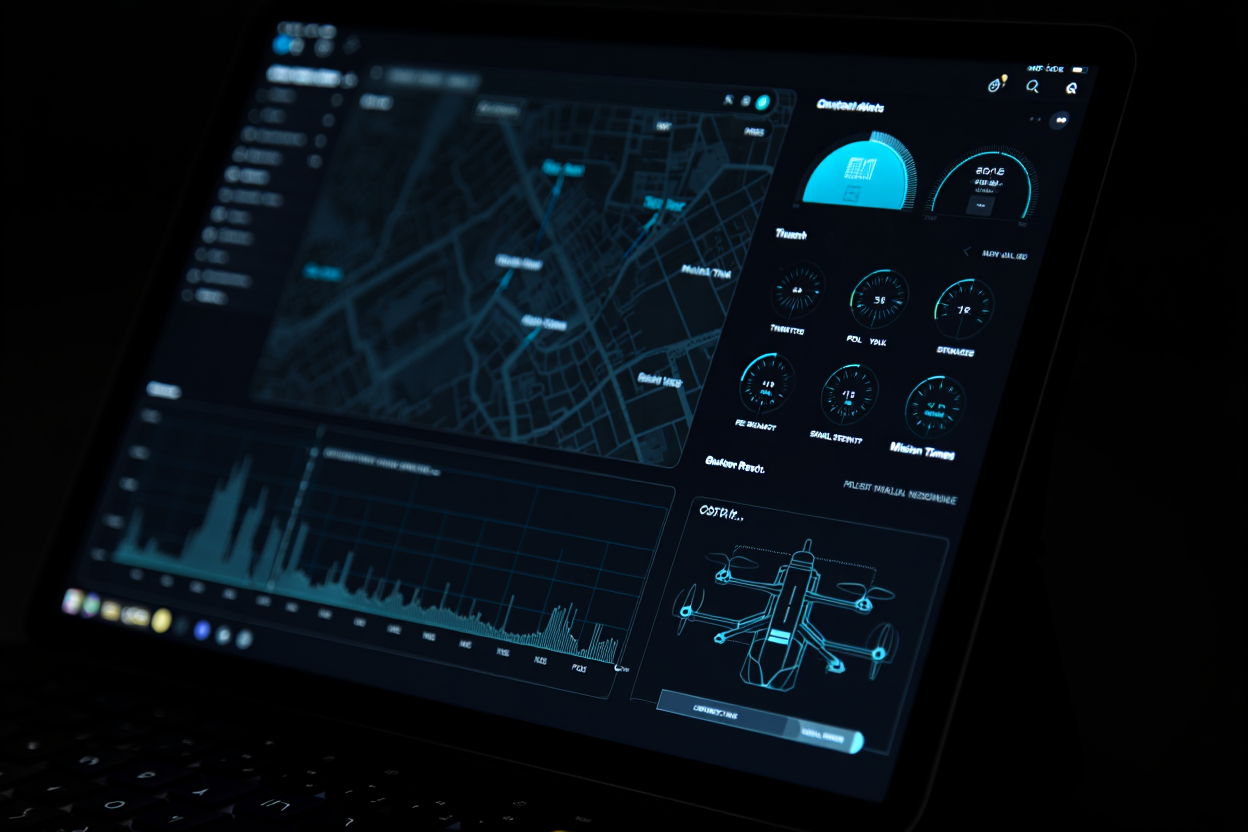
Engineering with uncertainty instead of hiding from it

Formalizing risk to unlock faster, safer decisions
Every aerospace system operates under uncertainty: sensor noise, environmental variation, modeling error, and manufacturing tolerances. Traditional programs attempt to suppress this uncertainty through excessive conservatism and exhaustive testing. Our approach treats uncertainty as a measurable engineering variable. Uncertainty quantification techniques propagate uncertainty through simulations and performance models, revealing how risk distributes across the system instead of constraining performance to worst-case assumptions.
By explicitly modeling and calibrating uncertainty, decision makers gain a transparent risk landscape. This allows teams to trade performance, safety margins, and schedule with mathematical clarity rather than institutional caution. When uncertainty is visible, it becomes manageable. Programs can move faster because they are not guessing — they are choosing informed risk. This discipline transforms schedule compression from a gamble into a controlled engineering strategy.
A persistent virtual aircraft that evolves with the real one
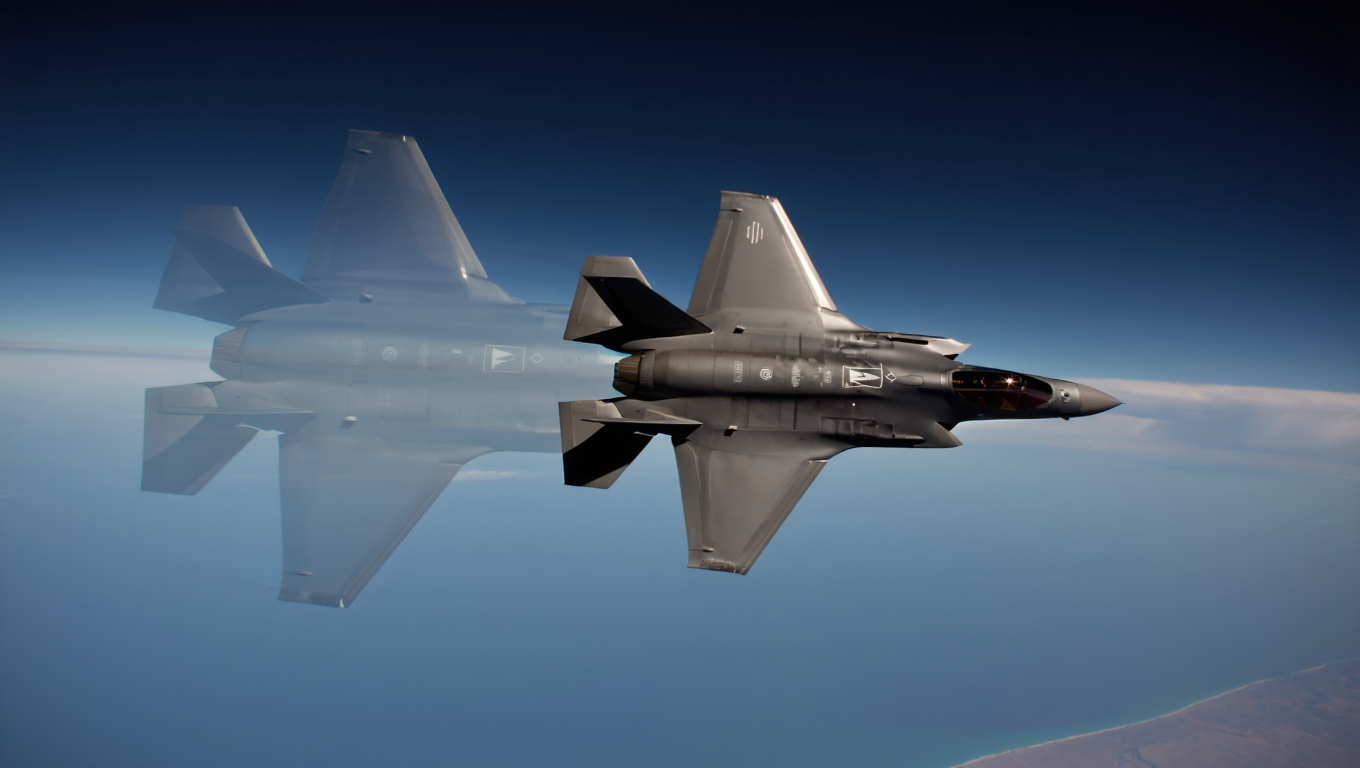
Synchronizing simulation and hardware across the lifecycle
A digital twin is not a static model; it is a continuously updated counterpart to the physical system. As telemetry, test data, and operational feedback accumulate, the twin absorbs that information and refines its predictive capability. Over time, the virtual aircraft becomes a high-fidelity mirror that can explore configurations, failure modes, and mission scenarios long before they occur in the real world.
This persistent integration unlocks lifecycle acceleration. Design modifications can be evaluated against an already validated system model instead of restarting analysis from scratch. Operational insights feed directly back into design, creating a virtuous cycle where every deployment improves the next platform. The boundary between development and operations dissolves, enabling rapid iteration without sacrificing reliability.
Letting algorithms explore the design space humans can’t
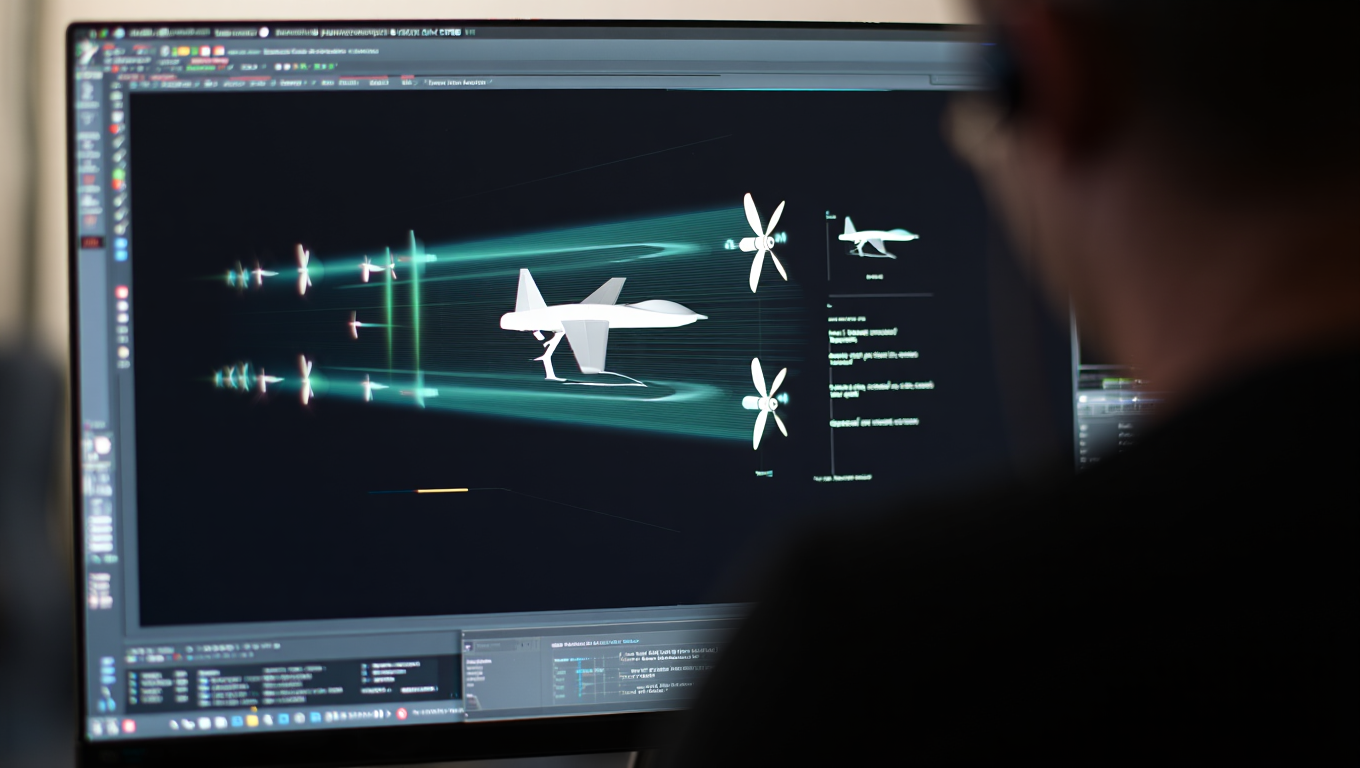
Computational search across millions of viable architectures
Human designers are constrained by intuition and time. Generative optimization expands the search space to scales impossible to explore manually. By grounding the design landscape in physics and mission constraints, algorithms generate and evaluate thousands to millions of candidate configurations, converging on architectures that balance performance, manufacturability, and mission requirements simultaneously.
This computational exploration does more than accelerate design — it reveals solutions that traditional workflows would never consider. Engineers move from drafting individual concepts to curating high-performance candidates discovered through algorithmic search. When paired with simulation-in-the-loop validation, generative design becomes a force multiplier: fewer physical prototypes, faster convergence, and platforms tailored precisely to operational needs.
Applications
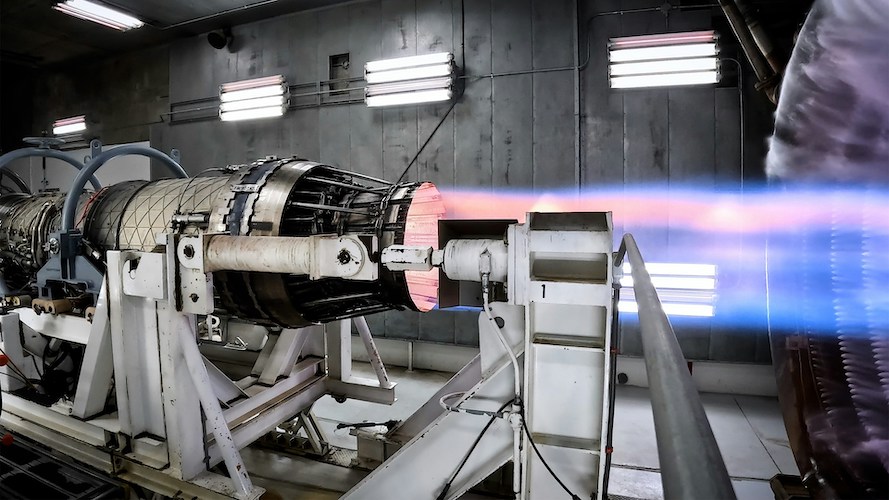
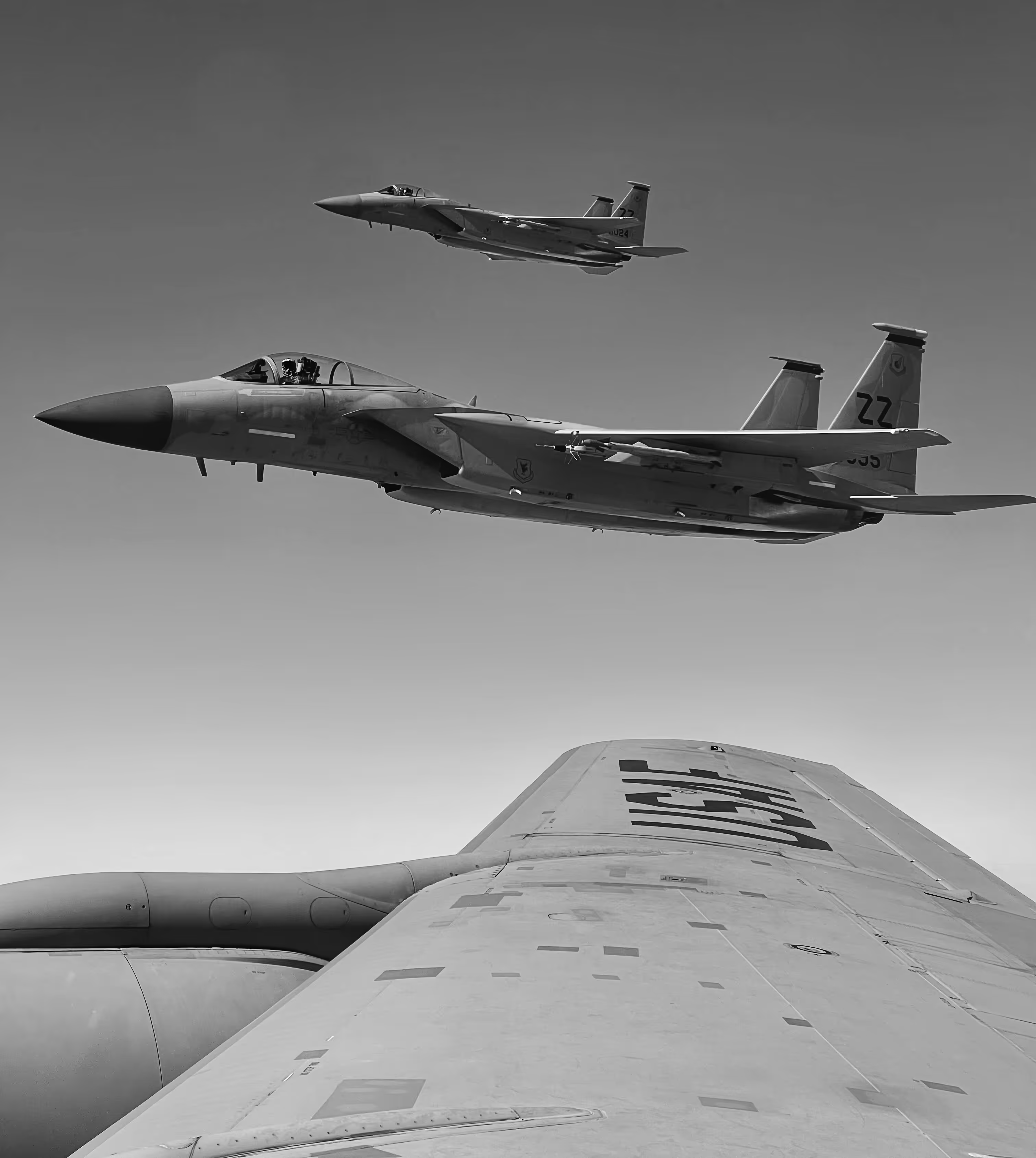
Collaborative Combat Aircraft (CCA) Envelope Expansion
Traditional methods would take two years to validate flight envelopes for new CCA platforms. With simulation-driven approaches, we project delivery in under four months, enabling rapid iteration and mission-specific design.
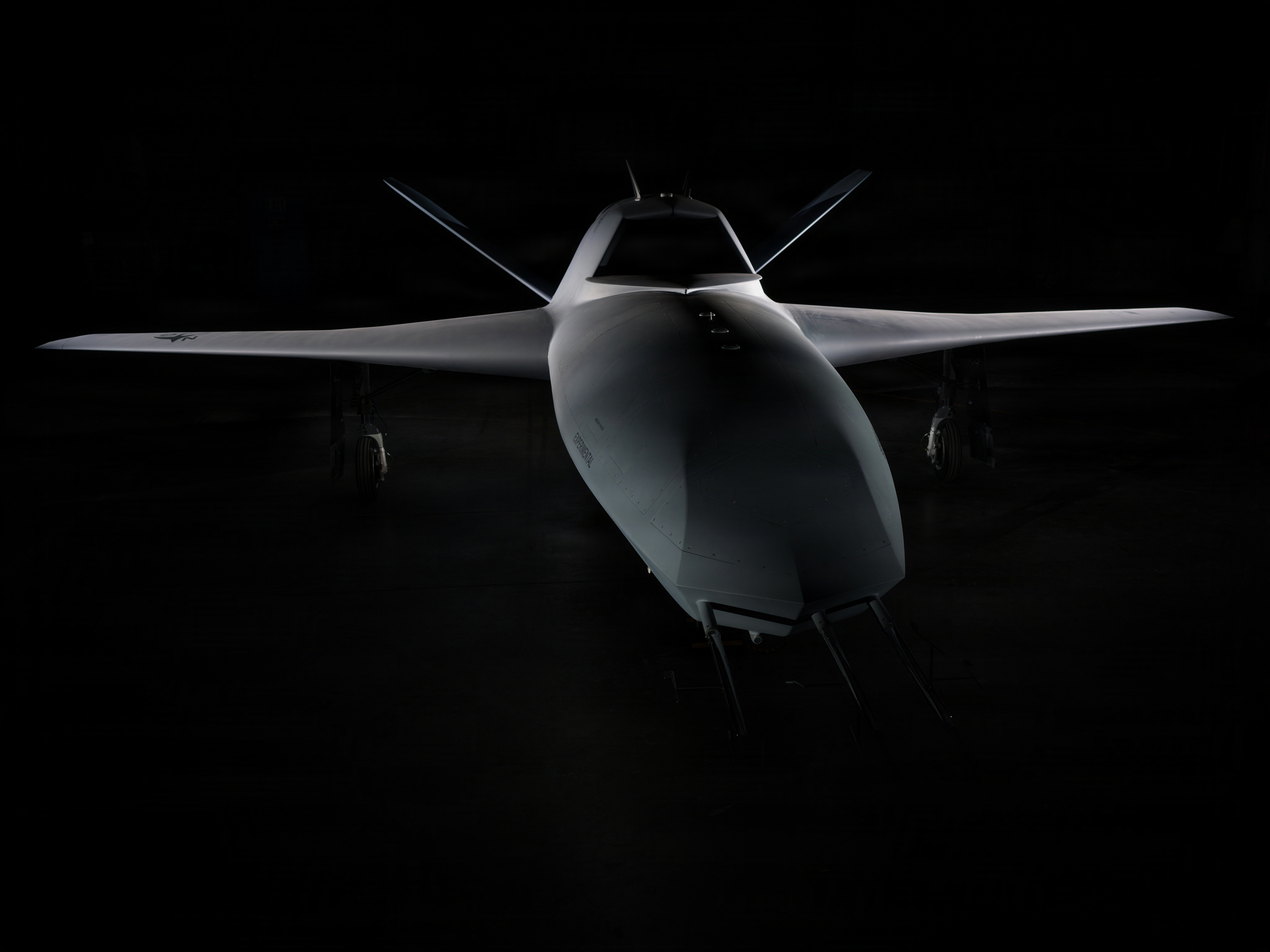
Accelerated Developmental Flight Test
The Pointless Project eliminates tolerance-bound test points for developmental test programs. By validating envelopes using physics-based models rather than precision maneuvers, we reduce the required sorties by 10 times and compress timelines by 6 times.
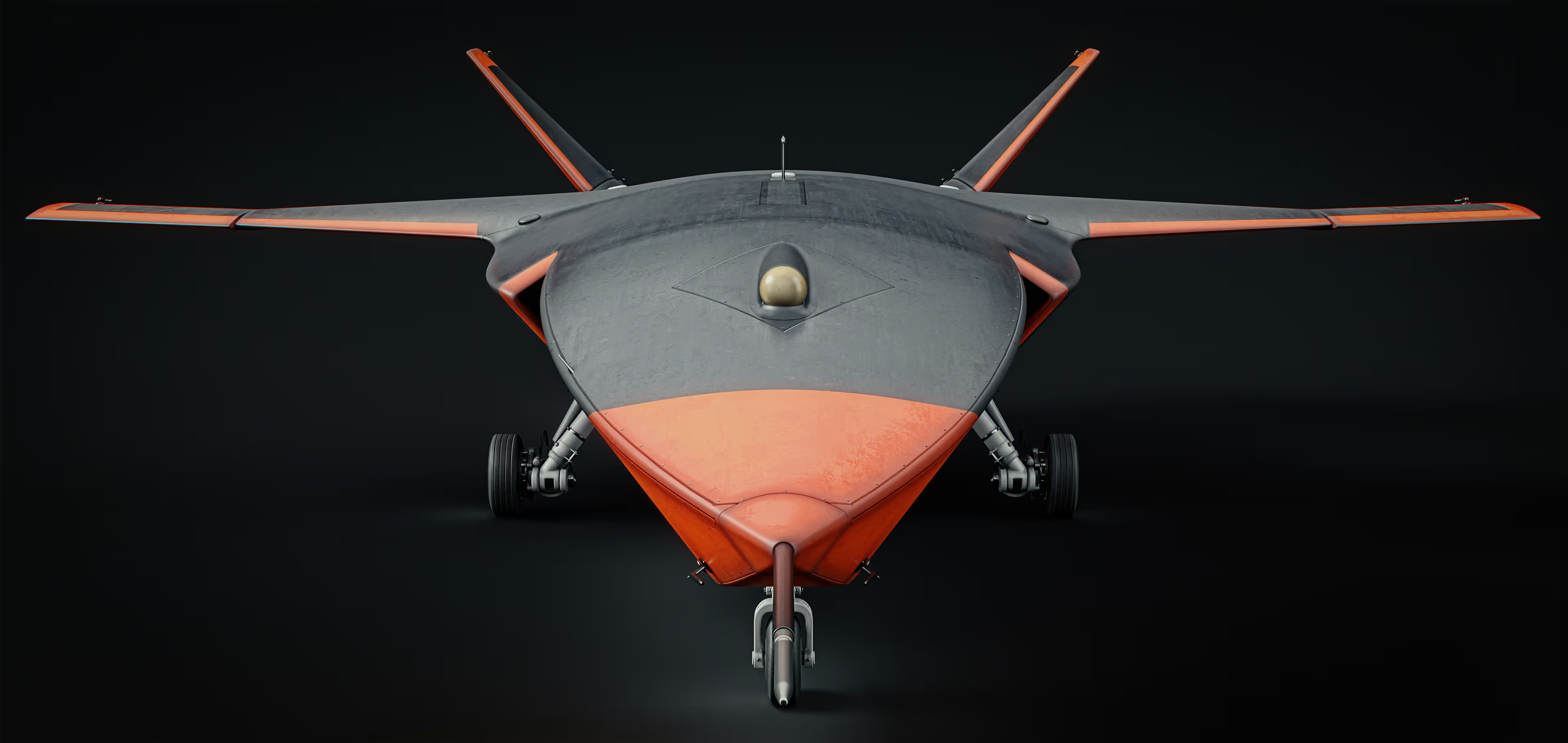
Rapid Prototyping at Scale
When operational needs change, speed from design to deployment matters. Simulation-in-the-loop enables the design of mission-specific platforms (EW-optimized, ISR-focused, strike-configured) without years of iterative physical testing.
What We're Looking For
The AI Studio doesn’t issue RFPs; instead, we rely on researchers and technologists working on problems in this space who see potential alignment to reach out to us. If you're working on something adjacent to these areas, reach out today!
Physics-informed machine learning for high-fidelity, low-cost simulation
Generative design methods that optimize form factor for mission requirements
Uncertainty quantification in model-based test and evaluation
Rapid prototyping and digital twin integration
Methods to accelerate flight test procedures across diverse platforms
Explore other lines of effort
Explore our Thesis
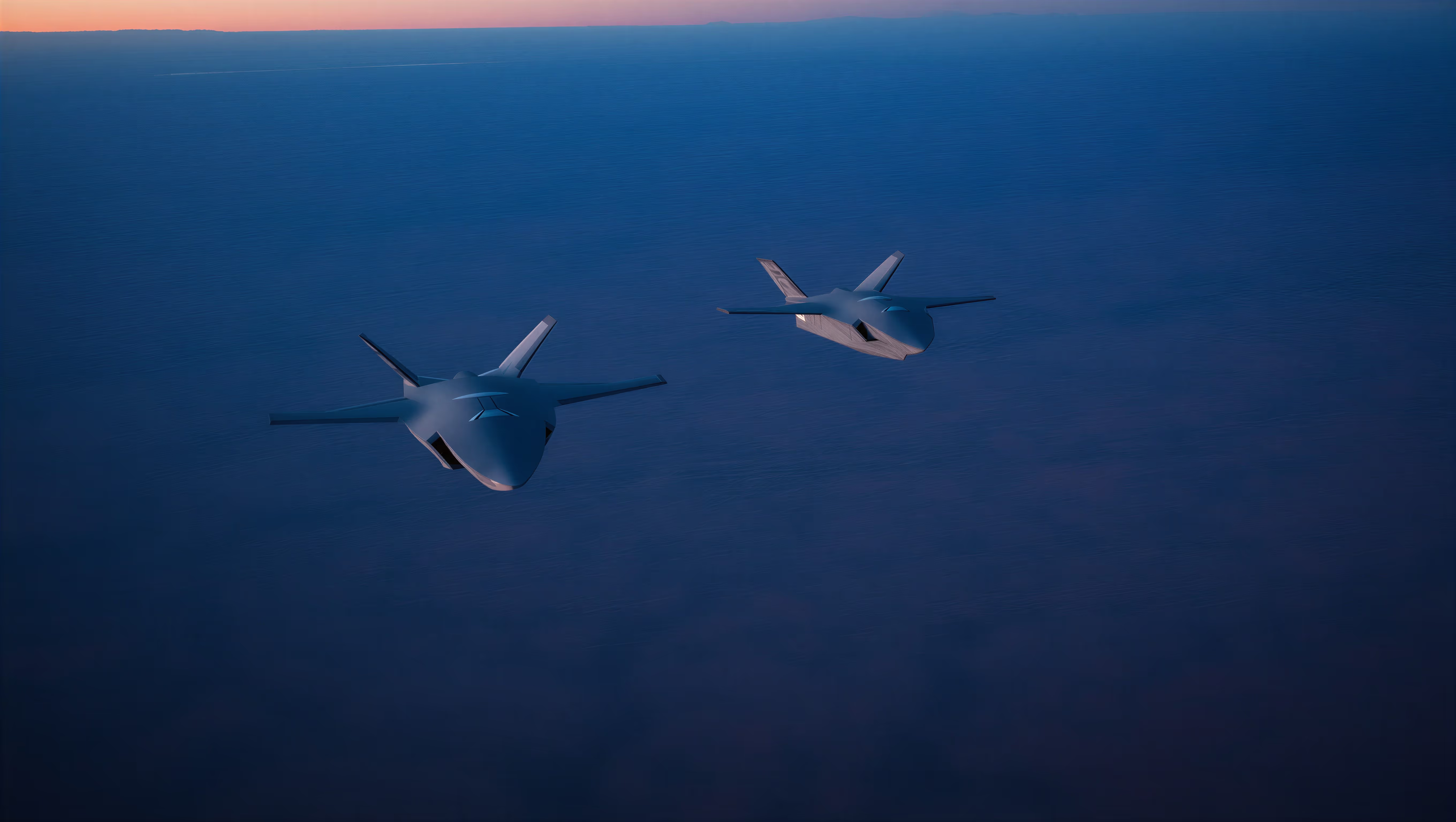
Calibrated Autonomy
Seamless communication of commander's intent and ability for the system to operate in contested environments without constant queries.
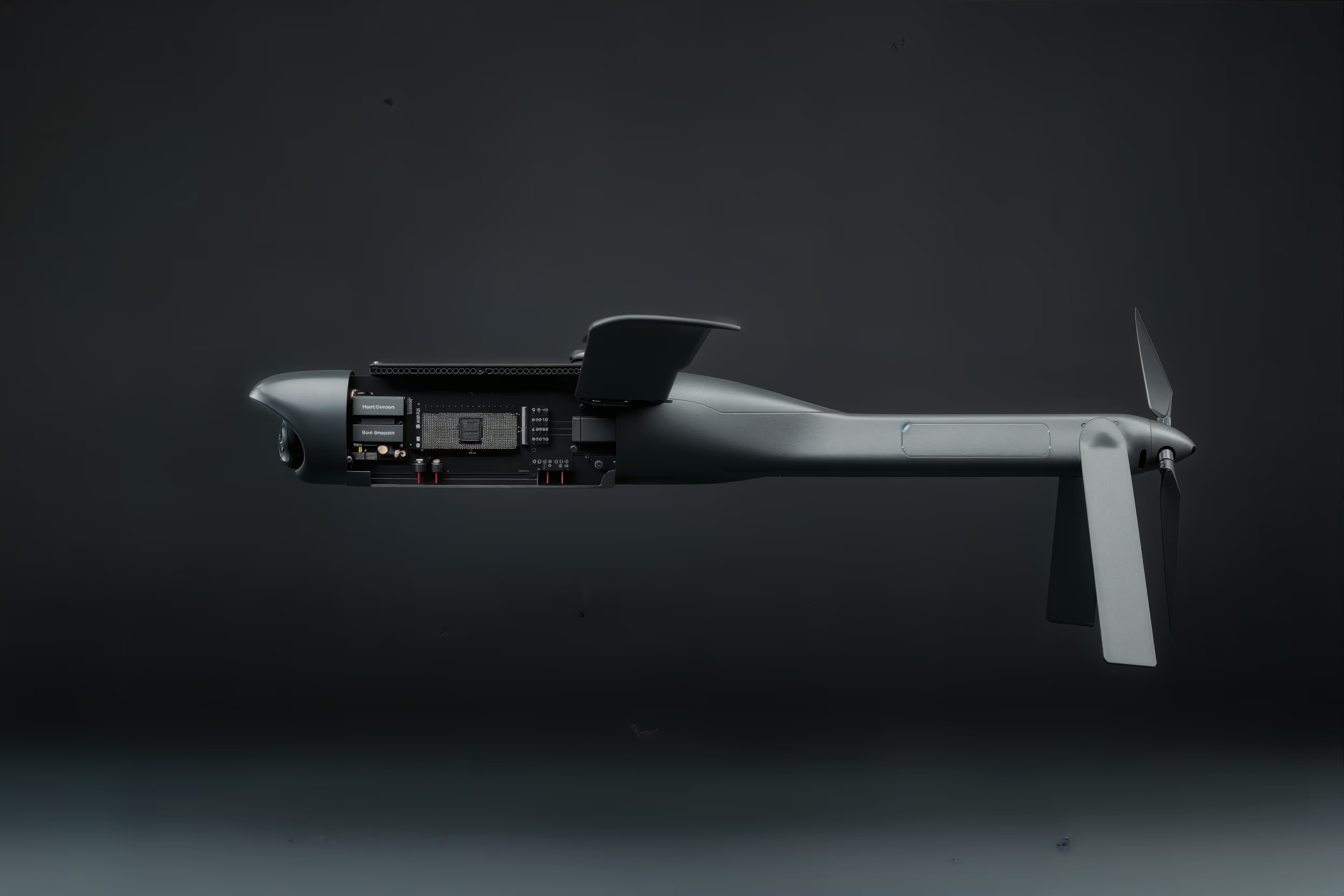
Efficient Compute for AI at the Edge
Enable computationally expensive algorithms to run on embedded computers with resource/energy constraints.
Frequently Asked Questions
What is the “design-to-fly loop” and how is The AI Studio mitigating it?

Traditional acquisition cycles involve years of physical prototyping and flight testing. We use high-fidelity simulation to move that iteration into a digital environment. By the time a system is physically built, it has already “flown” thousands of hours virtually, allowing for a first-shot deployment that is more likely to be mission-ready from day one.
How does simulation enable “mass”?
Mass isn't just about building many of the same things; it’s about the ability to build the right thing for a specific mission at scale. Our simulation tools allow us to rapidly iterate on designs, materials, and configurations to optimize for specific variables (like range, payload, or electronic warfare capability) without starting from scratch every time.
Are these tools platform-specific?
No. While we often use autonomous vehicles as our primary test cases, our simulation and model-based design frameworks are applicable to any complex system where size, weight, and power (SWaP-C) constraints are critical. We are building the engine that designs the fleet, regardless of the vehicle's embodiment.
Does this eliminate the need for physical flight testing?
No, but it accelerates it! We design models specifically to accelerate test procedures. Simulation identifies the edge cases and failure points early, so physical flight tests can focus on verifying high-value data rather than basic troubleshooting.
Operators
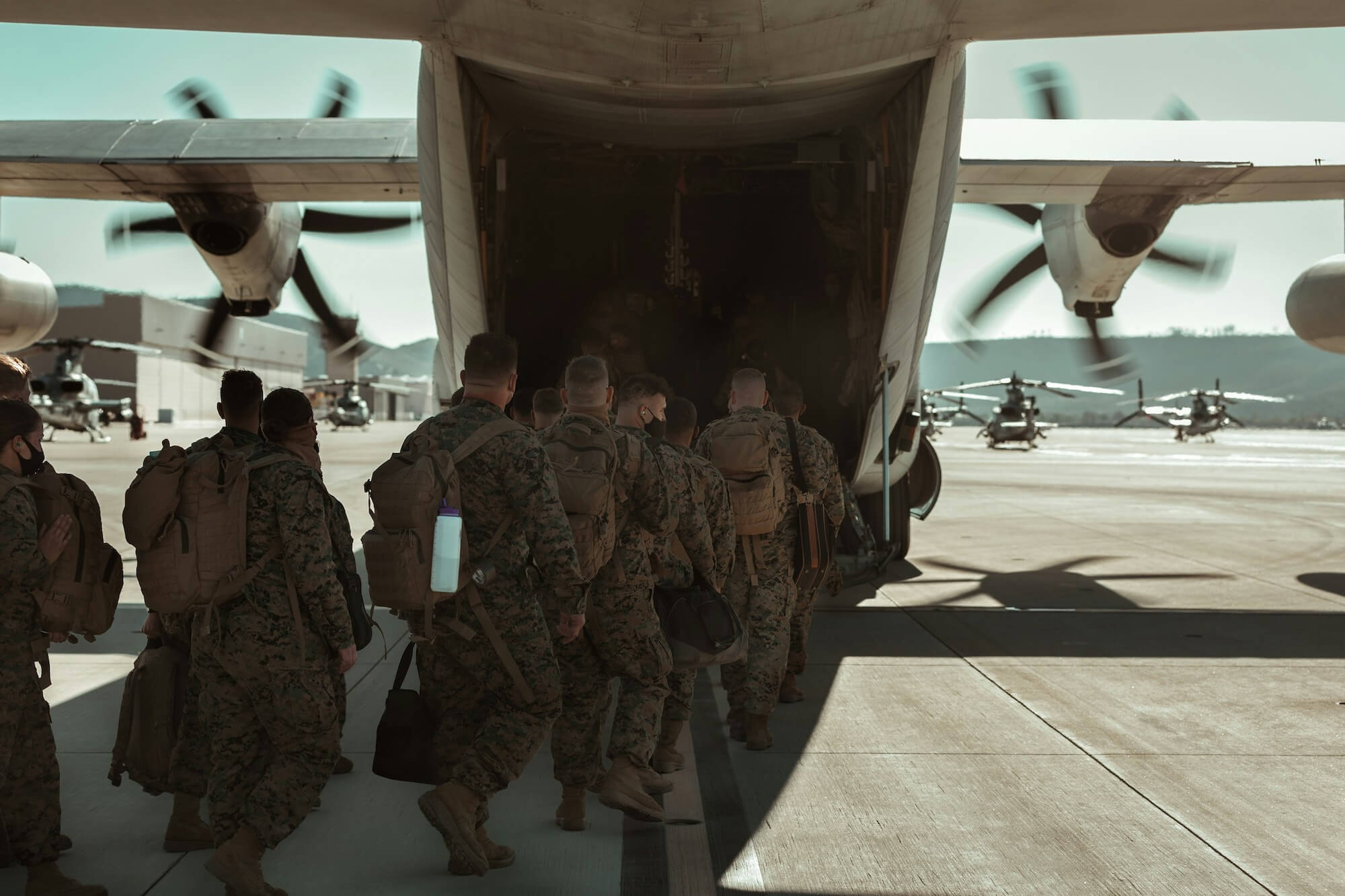
DAF-Stanford AI Studio exists to solve real operational problems alongside the people facing them. If you are encountering capability gaps at the edge and need autonomy that works under pressure, we are ready to partner with you. Our focus is to turn urgent field needs into deployable systems that directly strengthen the mission.

Academia
DAF-Stanford AI Studio exists to translate frontier research into real operational impact. If you are advancing new methods in autonomy, AI, or simulation and want to see that work tested in high-stakes environments, we are ready to collaborate. Our goal is to move promising ideas from the lab into systems that matter.
Industry
DAF-Stanford AI Studio exists to build deployable autonomy with people who solve hard technical problems. If you are developing AI systems that must perform under real-world constraints — power limits, contested environments, imperfect data — we are ready to work alongside you and turn that capability into operational systems.